

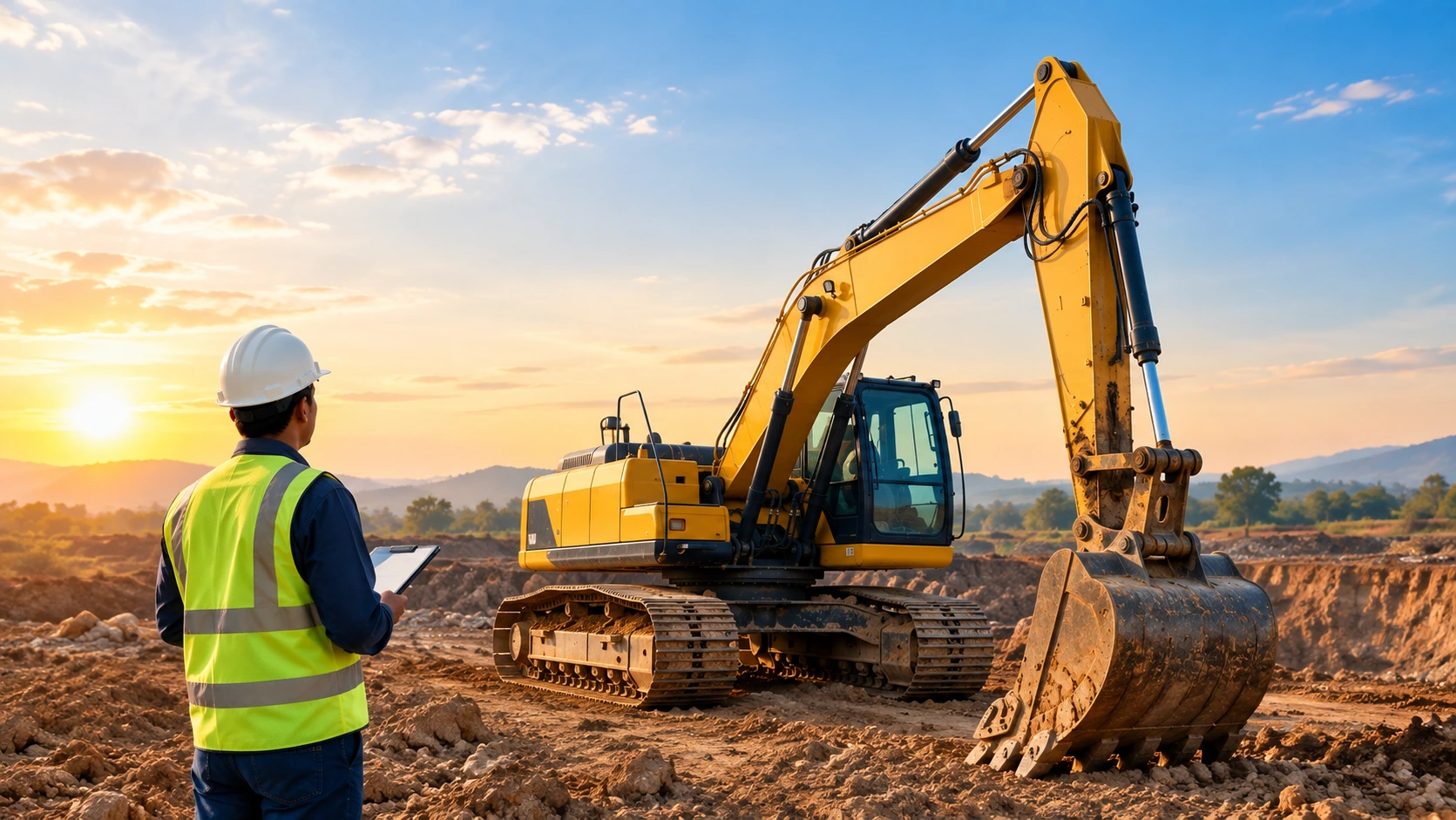
Choosing the right excavator is an important decision for any construction, infrastructure, mining, or land development project. The right machine can help improve productivity, manage operating costs, and keep work moving according to schedule. However, selecting equipment without considering the project requirements can lead to delays, unnecessary expenses, and reduced efficiency.
Excavators are used for a wide range of activities, including digging foundations, trenching, site preparation, road construction, demolition, material handling, and mining operations. Each application may require a different machine size, digging capacity, boom configuration, or attachment.
At Kasturi Earthmovers, we provide excavator rental solutions for construction, infrastructure, mining, and earthmoving requirements across India. Understanding the factors involved in excavator selection can help contractors, builders, and project managers identify the right equipment for their specific needs.
1. Understand Your Construction Project Requirements
Before selecting an excavator, identify the type and scale of work involved. The machine should match your project requirements rather than simply being selected based on size or engine power.
Consider the following questions:
- What type of excavation or earthmoving work is required?
- How much soil, rock, or other material needs to be moved?
- What is the required digging depth and reach?
- How much space is available at the construction site?
- What type of ground conditions will the machine encounter?
- How long will the equipment be required?
For example, a residential foundation may require a standard excavator, while a large infrastructure or mining project may need heavy-duty machinery with greater digging capacity.
Defining your requirements in advance helps narrow down the available equipment options and makes the selection process more efficient.
2. Choose the Right Type of Excavator
Different excavator configurations are designed for different working conditions. Understanding their applications helps you select suitable equipment for your project.
Standard Excavators
Standard excavators are commonly used for foundation digging, trenching, earth removal, land development, and general construction activities. They are suitable for a wide range of projects that require conventional digging and material handling.
Heavy Excavators
Heavy excavators are designed for demanding applications involving large quantities of material, extensive excavation, and heavy-duty earthmoving. They are commonly used in major infrastructure developments, mining operations, and quarrying projects.
Long Boom Excavators
Long boom excavators are useful when the work requires an extended reach. Depending on the machine configuration, they can support applications such as deep excavation, dredging, desilting, canal work, and certain demolition activities.
Excavators with Hydraulic Breakers
When a project involves hard rock, concrete, or other materials that require breaking, an excavator fitted with a compatible hydraulic breaker may be appropriate. The machine and attachment should be selected according to the material, required output, and site conditions.
At Kasturi Earthmovers, contractors can explore excavators on rent for different construction and infrastructure applications.
3. Consider Digging Depth and Working Reach
Digging depth and working reach are essential factors when selecting an excavator.
If the project involves deep foundations, underground utilities, or extensive trenching, the machine must have sufficient digging depth. For applications such as canal maintenance, desilting, or work near water, an extended-reach configuration may be more suitable.
Before finalizing equipment, confirm:
- Maximum digging depth required
- Horizontal working reach
- Required dumping height
- Excavation area and site layout
- Safe working distance from edges and unstable ground
Do not select a machine based on boom length alone. Check the manufacturer’s operating specifications and working range to ensure the excavator can perform the required task safely.
4. Evaluate Site Conditions and Accessibility
The construction site plays a major role in determining which excavator will work efficiently.
A site with limited space may require a more compact machine, while an open construction area can accommodate larger equipment. Uneven ground, soft soil, steep gradients, and restricted access also influence machine selection.
Evaluate the following conditions before arranging equipment:
- Available space for machine movement and rotation
- Ground stability and load-bearing capacity
- Access roads and transportation restrictions
- Overhead electrical lines and underground utilities
- Nearby buildings, workers, and other equipment
- Space available for loading and unloading material
Selecting equipment that suits the site can reduce unnecessary movement, improve work coordination, and help avoid operational difficulties.
5. Select the Appropriate Bucket Capacity
Bucket capacity affects how much material an excavator can handle in each cycle. However, a larger bucket is not automatically the right choice for every project.
The appropriate bucket depends on the excavated material, machine capability, and the amount of material to be moved.
For example, loose soil may allow the use of a different bucket configuration from dense or rocky material. The excavator’s rated operating capabilities must also be considered.
Choosing a suitable bucket can help maintain efficient digging cycles and reduce unnecessary strain on the equipment.
6. Match the Excavator to the Material
The material being excavated directly affects equipment selection.
Soil and Loose Material
Standard excavators are commonly used for soil excavation, trenching, foundation work, and general earthmoving.
Rock and Hard Ground
Hard rock may require an excavator with a suitable hydraulic breaker or other approved attachment. Equipment selection should account for material hardness, site conditions, and the required production rate.
Construction Debris
Demolition and debris-handling projects may require specialized attachments, appropriate machine capacity, and sufficient working space.
Mining and Quarry Material
Mining and quarrying operations often require heavy-duty excavators selected according to material characteristics, excavation volume, hauling arrangements, and site conditions.
For specialized applications, explore Kasturi Earthmovers’ mining equipment rental solutions.
7. Compare Equipment Rental and Ownership Costs
Purchasing an excavator involves a significant investment in addition to maintenance, transportation, storage, insurance, and operating expenses.
For contractors who require machinery for a specific project or a defined period, renting may provide greater flexibility.
When comparing rental options, consider:
- Rental duration and payment terms
- Transportation and mobilisation charges
- Fuel and operator arrangements
- Maintenance and breakdown support
- Attachment availability
- Additional charges and contract conditions
Request a clear quotation that explains what is included in the rental agreement. Comparing the total cost of using the equipment is more useful than considering the rental rate alone.
Kasturi Earthmovers offers excavator rental services for projects with different equipment requirements and durations.
8. Check Machine Condition and Operator Requirements
Equipment condition and operating practices are important for productivity and site safety.
Before deployment, confirm that the excavator has been appropriately maintained and inspected. Check the condition of the hydraulic system, tracks, bucket, attachment connections, and other essential components.
You should also establish:
- Whether a qualified operator is included
- Who is responsible for routine inspections
- How breakdowns and maintenance will be handled
- Whether the operator has experience with the intended application
- What safety procedures and site controls are required
Follow the manufacturer’s operating instructions and applicable site safety requirements. Excavation near underground utilities, unstable edges, or overhead power lines requires particular care and appropriate planning.
9. Use This Checklist Before Hiring an Excavator
Before finalizing your equipment rental, make sure you have answered these questions:
- What work needs to be completed?
- What are the required digging depth and reach?
- What type of soil, rock, or material will be handled?
- Is a standard, heavy, or long boom excavator required?
- Is a hydraulic breaker or another attachment needed?
- Can the machine safely access and operate at the site?
- What rental duration and operating arrangements are required?
- Are transportation, maintenance, and operator responsibilities clear?
- Have the equipment specifications and safety requirements been verified?
Preparing this information before contacting an equipment provider can help you receive a more accurate quotation and identify a suitable machine.
Why Choose Kasturi Earthmovers for Excavator Rental?
Kasturi Earthmovers provides earthmoving and equipment rental solutions for construction, infrastructure, mining, and land development projects.
Our equipment offerings include standard excavators, heavy excavators, long boom excavators, and machines configured for specialized applications. Equipment requirements can be discussed according to the project’s scope, site conditions, and operational needs.
Whether you are planning excavation for a construction site or arranging machinery for a larger infrastructure project, selecting suitable equipment is an important step towards efficient project execution.
Visit our Excavators on Rent page to explore available rental solutions, or contact Kasturi Earthmovers to discuss your project requirements.
Frequently Asked Questions
1. How do I choose the right excavator for my construction project?
Consider the type of work, digging depth, working reach, material, site accessibility, bucket capacity, and project duration. Match these requirements with the machine’s specifications before hiring.
2. Which excavator is suitable for foundation excavation?
A standard excavator is commonly suitable for many foundation projects. The required machine size depends on excavation depth, soil conditions, available space, and the volume of material to be removed.
3. When should I choose a long boom excavator?
A long boom excavator may be suitable when the job requires extended reach, such as certain dredging, desilting, canal maintenance, and deep excavation applications. Always verify the machine’s working range and operating limitations.
4. Is renting an excavator better than buying one?
Renting can be practical when machinery is required for a specific project or limited period. Buying may suit businesses with regular, long-term equipment requirements. Compare the total costs, utilisation, and maintenance responsibilities before deciding.
5. What affects excavator rental costs?
Rental costs depend on machine type, capacity, rental duration, location, transportation, attachments, operator arrangements, and the terms of the rental agreement.
6. Can an excavator be used for rock breaking?
Yes, an excavator fitted with a compatible hydraulic breaker can be used for suitable rock-breaking applications. The equipment and attachment must match the material and project requirements.
7. Where can I hire an excavator for a construction project?
Kasturi Earthmovers provides excavator rental solutions for construction, earthmoving, mining, and infrastructure projects across multiple locations in India. Contact the team to discuss equipment availability and your project requirements.
Conclusion
Choosing the right excavator requires careful consideration of project scope, machine specifications, material type, site conditions, working reach, and total operating costs. The most suitable machine is the one that meets the job’s requirements while supporting safe and efficient operations.
By evaluating these factors before hiring, contractors and project managers can make better equipment decisions and plan their work more effectively.
Need an excavator for your next project? Contact Kasturi Earthmovers to discuss your construction, infrastructure, mining, or earthmoving requirements and identify a suitable rental solution.